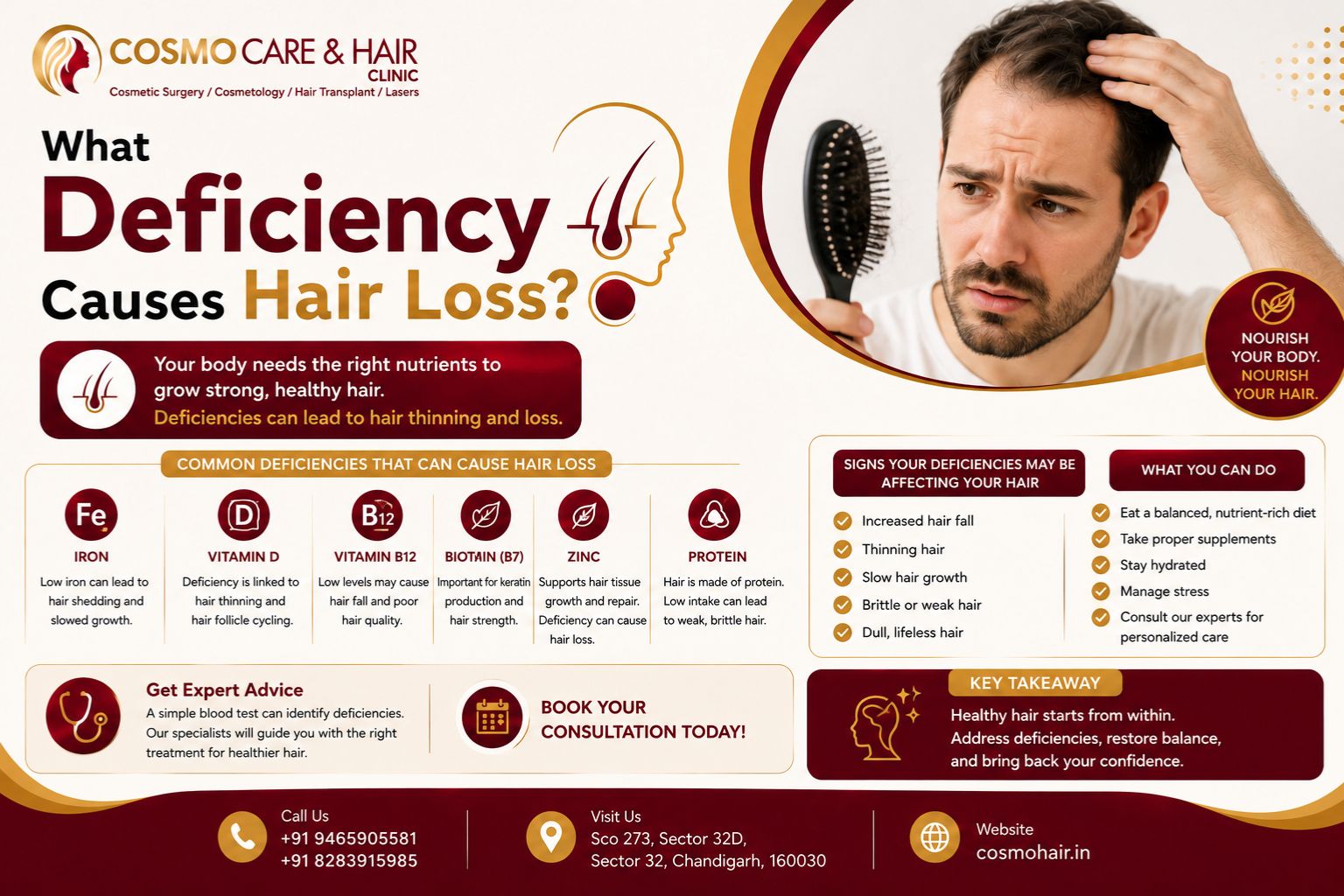
Many men and women face hair thinning or hair loss at some point in their lives. While stress, genetics, and hormonal changes can play a role, nutritional deficiencies are often overlooked. Healthy hair growth depends on getting the right vitamins and minerals. When your body lacks these nutrients, it can weaken hair follicles and lead to excessive shedding. Understanding which deficiencies cause hair loss can help you take the right steps toward healthier hair and better overall well-being.
How Nutrient Deficiencies Affect Hair Growth Naturally?
Hair follicles are constantly working to support new hair growth. They require a constant supply of nutrients to support healthy growth. When the body does not get enough vitamins and minerals, it prioritizes important organs over hair growth. As a result, hair becomes weak, thin, and more likely to fall out. In many cases, correcting nutritional deficiencies can improve hair health and reduce hair loss over time.
Iron Deficiency and Hair Loss in Men and Women
A lack of iron in the body can contribute significantly to hair shedding. Iron helps red blood cells carry oxygen throughout the body, including to the scalp and hair follicles. When iron levels are low, hair follicles may not receive enough oxygen, leading to weakened hair growth.
Common signs of iron deficiency include fatigue, weakness, pale skin, and increased hair shedding. Women are especially at risk due to menstrual blood loss. Adding iron-rich foods such as spinach, lentils, beans, and lean meats may help improve iron levels and support healthy hair growth.
Vitamin D Deficiency and Its Impact on Hair Health
Vitamin D plays an important role in creating new hair follicles. Low levels of this vitamin have been linked to different types of hair loss, including thinning hair and patchy hair loss.
Many people do not get enough vitamin D because they spend most of their time indoors. Limited sun exposure and poor dietary intake can contribute to deficiency. You can learn more in our blog on Is Sunlight Bad for Hair Transplants?
Foods such as fatty fish, egg yolks, and fortified dairy products can help increase vitamin D levels. Depending on your needs, a healthcare provider may recommend dietary supplements.
Vitamin B12 Deficiency and Excessive Hair Shedding
Vitamin B12 helps produce healthy red blood cells and supports oxygen delivery to hair follicles. A deficiency can affect the hair growth cycle and lead to noticeable hair shedding.
People who follow vegetarian or vegan diets may have a higher risk of vitamin B12 deficiency because it is mainly found in animal-based foods. Symptoms can include tiredness, dizziness, memory issues, and hair loss. Including foods like eggs, dairy products, fish, and fortified cereals may help maintain healthy vitamin B12 levels.
Zinc Deficiency Can Lead to Weak and Thin Hair
Zinc is an essential mineral that supports hair tissue growth and repair. It also helps keep the oil glands around hair follicles functioning properly. A lack of zinc can result in thinning hair, slower growth, and increased shedding.
Foods rich in zinc include nuts, seeds, whole grains, beans, and seafood. Maintaining adequate zinc levels is important for keeping hair strong and healthy.
Protein Deficiency and Poor Hair Growth Problems
Hair is mainly composed of a strong structural protein known as keratin. If your diet lacks enough protein, your body may reduce hair growth to conserve resources for more important functions.
Protein deficiency can cause hair to become brittle, weak, and prone to falling out. Including sources such as eggs, fish, poultry, dairy products, beans, and legumes can help support healthy hair growth and reduce the risk of hair loss.
Biotin Deficiency and Its Connection to Hair Loss
Biotin, also known as vitamin B7, is often associated with healthy hair. Although biotin deficiency is rare, it can lead to hair thinning and hair loss when it occurs.
Symptoms may include brittle nails, skin rashes, and thinning hair. Foods such as eggs, almonds, sweet potatoes, and sunflower seeds are good sources of biotin. Most people can get the biotin they need through a healthy and varied diet.
How to Identify Nutritional Deficiencies Causing Hair Loss?
Hair loss caused by nutritional deficiencies often develops gradually. If you notice increased hair shedding, thinning hair, or slower growth, it may be helpful to consult a healthcare professional. Blood tests can identify deficiencies in iron, vitamin D, vitamin B12, zinc, and other important nutrients.
Early diagnosis allows for timely treatment and can help prevent further hair loss. It is important to avoid self-diagnosing and taking supplements without professional advice, as excessive intake of certain nutrients can also affect your health.
Best Ways to Prevent Hair Loss from Deficiencies
Preventing deficiency-related hair loss starts with maintaining a healthy and balanced diet. Eating a variety of fruits, vegetables, lean proteins, whole grains, nuts, and seeds can provide the nutrients your hair needs.
Regular health checkups can help identify deficiencies before they become severe. Staying hydrated, managing stress, and following a healthy lifestyle also support stronger hair growth. If you are experiencing persistent hair loss, professional guidance from experts such as Cosmo Care & Hair Clinic can help determine the underlying cause and recommend suitable treatment options.
When to Seek Professional Help for Hair Loss Issues?
While nutritional deficiencies are a common cause of hair loss, they are not the only reason. Hormonal imbalances, genetics, medical conditions, and scalp disorders can also contribute to hair thinning and shedding.
If your hair loss is severe, sudden, or continues despite improving your diet, it is important to seek professional evaluation. Specialists at Cosmo Care & Hair Clinic can assess your condition, identify the root cause, and create a personalized treatment plan to support healthy hair growth.
Conclusion
Several nutritional deficiencies can contribute to hair loss, including low levels of iron, vitamin D, vitamin B12, zinc, protein, and biotin. These nutrients play important roles in maintaining healthy hair follicles and supporting normal hair growth. Identifying and correcting deficiencies through proper nutrition and professional guidance can help reduce hair shedding and improve hair health. Taking care of your overall health is one of the best ways to maintain strong, healthy, and beautiful hair.
Frequently Asked Questions
1. What deficiency causes hair loss the most?
Iron deficiency is one of the most common nutritional deficiencies linked to hair loss, especially among women.
2. Can vitamin D deficiency cause hair thinning?
Yes, low vitamin D levels can affect hair follicle function and may contribute to thinning hair and hair loss.
3. How do I know if my hair loss is caused by a deficiency?
A healthcare professional can perform blood tests to check for deficiencies in iron, vitamin D, vitamin B12, zinc, and other nutrients.
4. Can hair grow back after correcting a deficiency?
In many cases, hair growth can improve once the nutritional deficiency is identified and properly treated.
5. Which foods help prevent hair loss?
Foods rich in iron, protein, zinc, biotin, and vitamins such as eggs, fish, leafy greens, nuts, seeds, and legumes can support healthy hair growth.