
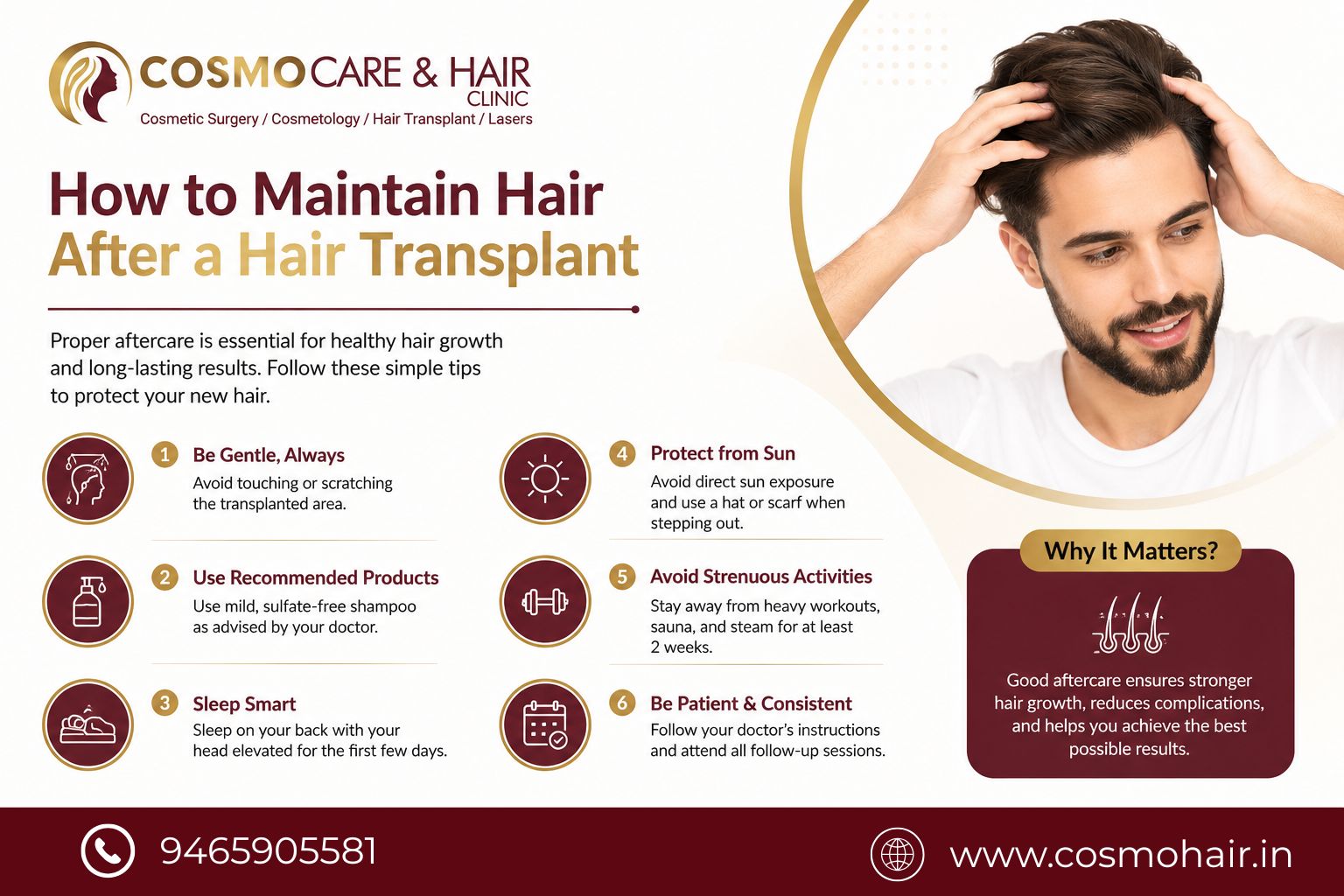
A hair transplant is a highly effective solution for restoring hair density and improving appearance. However, achieving the best results requires more than just the procedure itself. Proper post-transplant care is essential to help the newly implanted follicles heal, grow, and thrive. Understanding how to maintain your hair after a hair transplant can significantly improve the success of the treatment and ensure long-lasting, natural-looking results.
The weeks and months following the procedure are critical. During this time, the transplanted follicles establish themselves in their new location and begin the growth cycle. Following a proper care routine can minimize complications, support healing, and maximize hair growth.
Follow Post-Transplant Instructions Carefully
Immediately after a hair transplant, the scalp is sensitive and requires special attention. The newly implanted grafts are delicate and need time to secure themselves within the scalp.
Avoid touching, scratching, or picking at the treated area. Minor scalp irritation can disrupt proper healing and increase the risk of graft damage. Sleeping with your head elevated for the first few nights may help reduce swelling and improve comfort. Maintaining scalp hygiene and following your surgeon’s instructions are among the most important steps during the recovery period.
Wash Your Hair Gently
Hair washing is a crucial part of post-transplant care, but it must be done carefully. Most surgeons recommend waiting several days before the first wash.
Use a gentle, sulfate-free shampoo and lukewarm water. Rather than rubbing the scalp, softly pour water over the treated area and lightly pat it dry with a clean towel. Aggressive washing can disrupt healing follicles. As recovery progresses, you can gradually resume your normal hair care routine while continuing to use mild products.
Eat Nutrient-Rich Foods for Better Hair Growth
Healthy hair growth begins from within. A balanced diet provides the nutrients necessary for healing and follicle development.
Focus on foods rich in:
- Protein such as eggs, fish, chicken, dairy products, and beans
- Iron from leafy green vegetables and lean meats
- Zinc from nuts, seeds, and legumes
- Vitamin D and Biotin to support hair health
- Antioxidants found in fruits and vegetables
Proper hydration is equally important. Drinking enough water helps support scalp health and promotes overall recovery.
Avoid Strenuous Activities During Recovery
Physical exertion can increase blood circulation and sweating, which may interfere with the healing process during the first few weeks.
Patients are generally advised to avoid:
- Heavy exercise
- Weightlifting
- Running and high-intensity workouts
- Swimming pools
- Steam rooms and saunas
These activities may irritate the scalp or increase the risk of infection. Always follow your surgeon’s timeline before returning to regular physical activities.
Protect Your Scalp from Sun Exposure
The scalp remains particularly sensitive after a transplant. Direct sunlight can cause irritation and may affect healing.
When outdoors, protect your scalp with a loose-fitting cap if approved by your doctor. Avoid prolonged sun exposure, especially during the first month after surgery. To protect newly transplanted follicles, refrain from coloring, bleaching, or chemically treating your hair during recovery.
Understand the Hair Shedding Phase
Many patients become concerned when transplanted hairs begin to fall out a few weeks after the procedure. This stage, commonly called shock shedding, is a normal and expected part of recovery.
The visible hair shafts may shed, but the transplanted follicles remain healthy beneath the skin. New hair typically begins emerging within three to four months, with gradual improvement over time. Most patients observe noticeable growth between six and twelve months after treatment.
Patience is essential, as hair restoration is a gradual process.
Attend Scheduled Follow-Up Appointments
Regular check-ups allow your surgeon to evaluate healing progress and ensure the transplanted follicles are developing correctly.
These visits provide an opportunity to discuss concerns, monitor results, and receive personalized advice for maintaining healthy hair growth. Professional guidance can help identify any issues early and improve long-term outcomes.
Maintain Healthy Hair for Years to Come
A hair transplant can deliver permanent and natural-looking results, but ongoing care remains important.
To maintain healthy hair:
- Use quality hair care products
- Follow a nutritious diet
- Stay hydrated
- Manage stress effectively
- Avoid excessive heat and harsh chemical treatments
- Follow any additional treatments recommended by your doctor
Consistent scalp care and healthy lifestyle habits can help preserve both transplanted and existing hair for years.
Final Thoughts
Cosmo Care & Hair Clinic emphasizes that maintaining your hair after a hair transplant is just as important as the procedure itself. Gentle scalp care, proper washing techniques, healthy nutrition, protection from environmental damage, and regular medical follow-ups all contribute to successful results. By following professional advice and adopting healthy habits, you can support strong hair growth and enjoy fuller, natural-looking hair for the long term.
Frequently Asked Questions
1. When can I wash my hair after a hair transplant?
Most patients can begin washing their hair within a few days after surgery. Follow your surgeon’s specific instructions and use gentle washing methods.
2. Is it normal for transplanted hair to fall out?
Yes. Temporary shedding is a normal part of the recovery process. New hair growth typically starts within a few months.
3. When can I start exercising again?
Light activities may be resumed after a few days, but strenuous exercise should be avoided until your surgeon confirms it is safe.
4. How long does it take to see full hair transplant results?
Noticeable improvements generally appear between six and twelve months, although growth timelines vary among individuals.
5. Which foods support hair growth after a transplant?
Protein-rich foods, fruits, vegetables, nuts, seeds, and foods containing biotin, zinc, iron, and vitamin D can help support healthy hair growth and recovery.